20 High-Protein Vegetarian Meals Under 600 Calories | Telugu Diet
Oct 05, 2026
As a certified women's fitness coach who specializes in postnatal training, and having worked with hundreds of women—more than 70% of my clients being female—I've seen firsthand the challenges new mothers face in reclaiming their strength, confidence, and body post-delivery. One of the most common concerns that comes up in consultations is: “Why do I still have this belly months after giving birth?” That lingering lower belly, often called the post-pregnancy belly pouch or "mom pooch", is more than just leftover fat. It involves a combination of muscular, hormonal, and structural changes in your body. In this article, I’ll break down everything you need to know: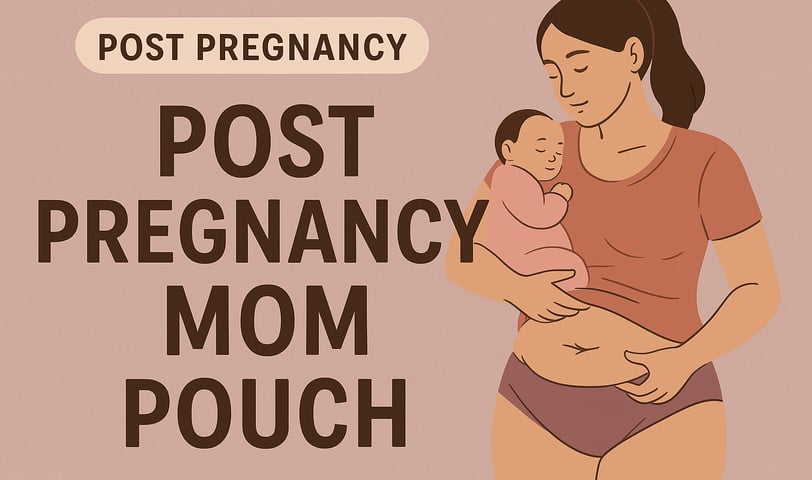
During pregnancy, your body undergoes a transformation to accommodate your growing baby. The abdominal muscles, especially the rectus abdominis (your six-pack muscles), stretch significantly. Often, this leads to a condition called:
This is a separation of the abdominal muscles, which can cause the belly to bulge forward. It’s incredibly common and can take months (or longer) to heal, especially without targeted training.
Other factors that contribute to the belly pouch include:
Stretched skin and fascia
Subcutaneous fat gained during pregnancy
Weak pelvic floor and deep core muscles
Postural imbalances from carrying and nursing your baby
Hormonal shifts (like elevated cortisol due to sleep deprivation and stress)
Many women expect their belly to shrink within weeks or months. But the reality is, it often takes 6–12 months or more to see significant change.
Factors influencing recovery include:
Number of pregnancies
C-section vs. vaginal birth
Pre-pregnancy fitness levels
How well the body is supported during recovery (rest, nutrition, stress, etc.)
Sleep, breastfeeding, and lifestyle factors
And no, doing hundreds of crunches won’t help. In fact, it can make things worse if diastasis recti or pelvic floor dysfunction are still present.
Crunches
Sit-ups
Planks (too early)
High-impact jumping
Bicycle kicks
These exercises increase intra-abdominal pressure and can widen muscle separation.
Diaphragmatic breathing
Pelvic tilts with breath
Glute bridges
Transverse abdominis activation
Kegels (if cleared by pelvic floor specialist)
Dead bugs
Bird dogs
Modified side planks
Banded glute and core work
Once cleared by your healthcare provider:
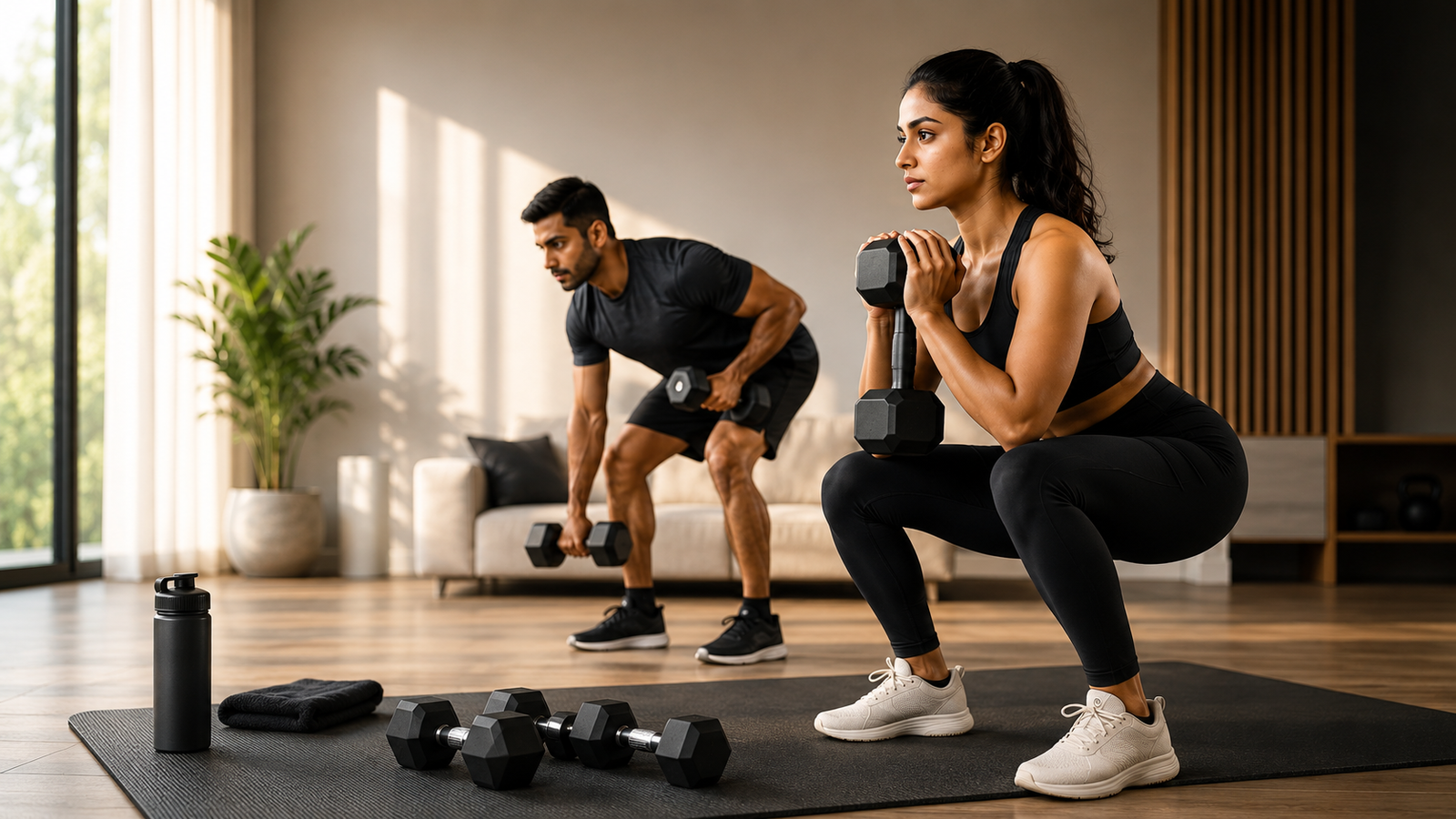
Full-body functional strength training (squats, rows, presses)
Posture-focused core stability work
Low-impact cardio (walking, incline treadmill, cycling, swimming)
Postpartum nutrition is about healing first, then fat loss. Starving your body is the worst thing you can do—especially if you’re breastfeeding.
Start at maintenance calories to support recovery
Slowly shift into a mild deficit (300–500 calories/day)
Aim for 1.2–1.5g protein per kg of bodyweight
Include anti-inflammatory foods: veggies, fruits, omega-3s
Stay hydrated, especially while breastfeeding
Minimize processed foods and excess sugar
Losing the belly pouch isn’t about a 21-day challenge or 30-day shred. It’s a gradual, consistent process. With my clients, I often see sustainable change happening between 6 to 12 months depending on lifestyle, adherence, and support.
Real transformation comes from:
Consistent strength training
Deep core and posture work
Adequate nutrition
Stress and sleep management
Patience
Your body created life. Give it the respect and time it deserves to heal and rebuild.
I work with women across different stages of motherhood, and I’ve seen incredible transformations that go beyond the scale or waistline. It’s about feeling strong, pain-free, and confident in your own skin.
The post-pregnancy belly pouch is real. So is your ability to overcome it with the right guidance.
If you're ready to take the next step in your transformation journey, I’m here to help you rebuild, recharge, and rise stronger than ever.