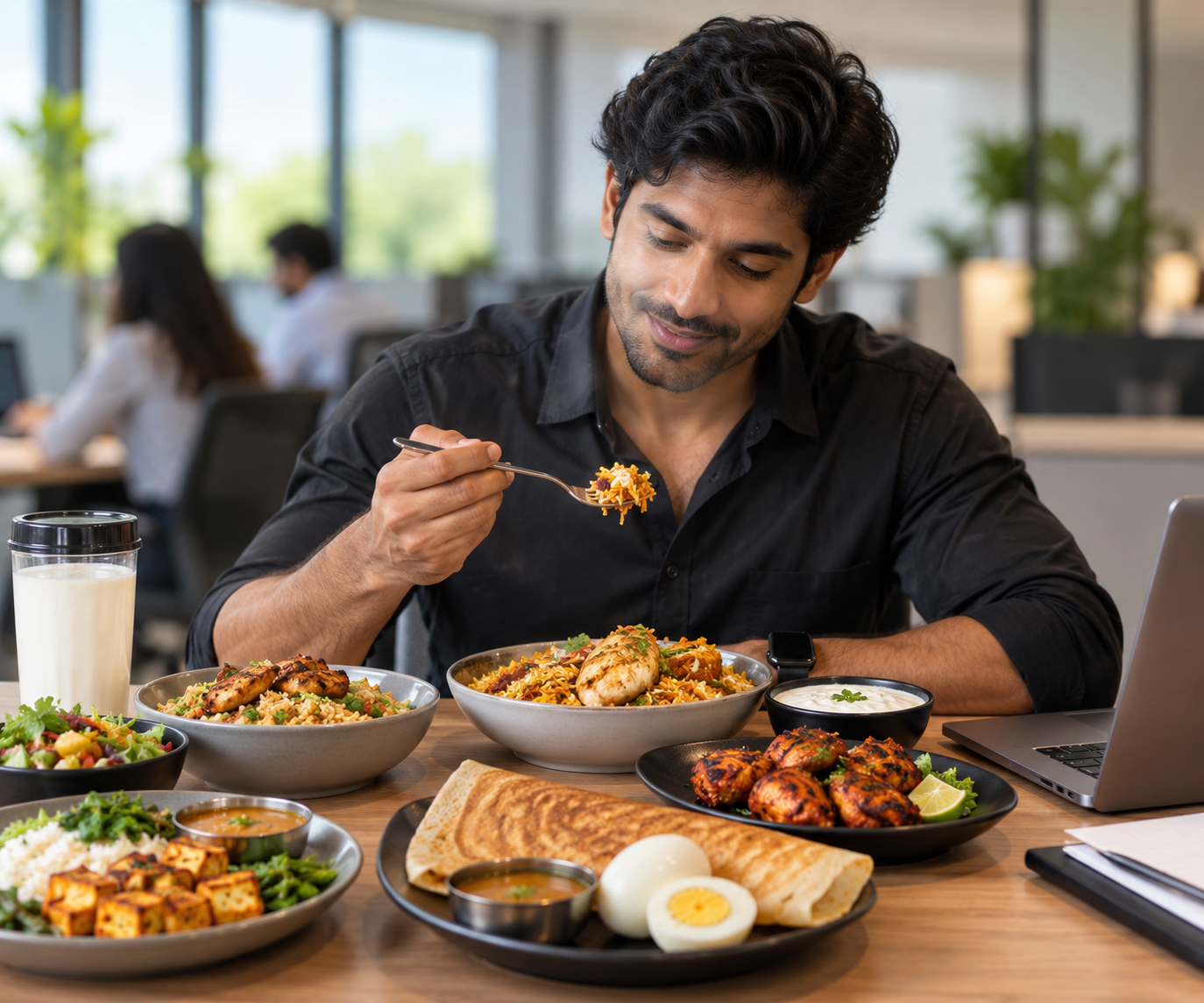
20 High-Protein Vegetarian Meals Under 600 Calories | Telugu Diet
Oct 05, 2026
Subway offers a variety of ingredients that allow for a fully customizable meal. However, not all options are suitable for a low-calorie and healthy diet. By selecting the right bread, protein, vegetables, and sauces, a Subway sub can be tailored to meet nutritional goals while keeping calories in check. This guide provides practical tips for creating a balanced Subway meal with vegetarian and non-vegetarian choices.

Bread selection plays a key role in calorie intake and nutrient composition. Opting for whole grains and fiber-rich options can contribute to a more balanced meal.
Multigrain Bread – Contains fiber and complex carbohydrates
Whole Wheat Bread – A better alternative to refined white bread
No Bread (Salad Option) – A low-carb alternative with the same toppings
Italian Herbs & Cheese – Higher in fat and sodium due to added cheese
Flatbread – Contains more refined flour
Protein is an essential component of a balanced meal. Choosing lean protein options helps maintain a moderate calorie intake.
Paneer Tikka (Grilled) – A vegetarian protein source with moderate calories
Veggie Delite – A vegetable-based sub with fiber and minimal calories
Boiled Chickpeas or Lentil Patties (If available) – Plant-based protein alternative
Fried or Breaded Patties – May contain excess oil
Grilled Chicken – A lean source of protein
Roasted Chicken – Provides protein with lower fat content
Turkey Breast – A lower-calorie option compared to processed meats
Egg Whites – An alternative to whole eggs
Meatballs – Higher in fat and sodium
Salami, Pepperoni, or Ham – Processed meats with added preservatives
Vegetables contribute fiber, vitamins, and minerals while keeping the meal lower in calories. Selecting a variety of vegetables adds volume and texture.
Spinach – A source of iron and antioxidants
Lettuce – Adds bulk with minimal calories
Tomatoes – Provides vitamin C
Cucumbers – Hydrating and low in calories
Green Peppers – Rich in vitamin C
Onions – Adds natural flavor
Jalapeños – Provides a spicy element
Pickles – Contains higher sodium levels
Sauces can add extra calories, fats, and sugars. Selecting lighter options can help maintain balance in a meal.
Mustard – A low-calorie option
Honey Mustard – A slightly sweet but moderate-calorie choice
Red Chili Flakes – Enhances flavor without extra calories
Lemon Juice – Provides natural freshness
Mayonnaise – Contains higher fat content
Ranch, Chipotle Southwest, Thousand Island – Can be high in sugar and fat
Extra Cheese Sauce – Adds excess calories
Opt for a 6-inch sub instead of a footlong to moderate portion size.
Increase vegetable portions to add volume without additional calories.
Limit cheese or opt for a lighter portion to manage fat intake.
Choose grilled options instead of fried items to reduce excess oil.
Bread: Multigrain or Whole Wheat
Protein: Paneer Tikka (Grilled)
Vegetables: Spinach, lettuce, cucumbers, tomatoes, green peppers, onions
Sauce: Mustard + Lemon Juice
Calories: ~350-400 kcal
Bread: Whole Wheat
Protein: Grilled Chicken or Turkey Breast
Vegetables: Spinach, lettuce, tomatoes, cucumbers, onions, jalapeños
Sauce: Honey Mustard + Chili Flakes
Calories: ~400 kcal
Customizing a Subway sub with whole grains, lean proteins, fresh vegetables, and light sauces can help maintain a balanced and low-calorie meal. Selecting the right ingredients ensures a meal that aligns with specific dietary preferences while keeping it flavorful and satisfying.
Would you like more insights on meal customization for a specific dietary plan?