20 High-Protein Vegetarian Meals Under 600 Calories | Telugu Diet
Oct 05, 2026
Body Recomposition for Indians: The Complete Guide to Losing Fat and Building Muscle
What Is Body Recomposition?
Body recomposition is the process of losing body fat while building or maintaining lean muscle mass at the same time. Unlike traditional weight loss, the goal is not simply to reduce body weight but to improve body composition. As body fat decreases and muscle mass increases, you become leaner, stronger, healthier, and more athletic.
Why Body Recomposition Is Ideal for Indians
Many Indians have higher body fat percentages despite having a normal BMI. Low muscle mass, sedentary lifestyles, and inadequate protein intake make body recomposition a more effective goal than simply losing weight.
Can You Lose Fat and Build Muscle at the Same Time?
Yes. Beginners, overweight individuals, people returning after a training break, and those with a skinny-fat physique can often lose fat while gaining muscle when they combine resistance training, sufficient protein, appropriate calorie intake, and adequate recovery.
The Four Pillars
Strength train 3 to 5 times per week using progressive overload.
Consume 1.6 to 2.2 grams of protein per kilogram of body weight daily.
Maintain an appropriate calorie intake based on your goal.
Sleep 7 to 9 hours and prioritize recovery.
Complete Protein Sources for Indians
Dairy: Whey protein, milk, Greek yogurt, regular curd, paneer, cottage cheese, cheese, skyr.
Eggs: Whole eggs.
Meat and Poultry: Chicken breast, chicken thigh, turkey, lean mutton, lean beef.
Seafood: Fish, salmon, tuna, rohu, katla, surmai, pomfret, prawns, shrimp, crab.
Soy Foods: Soybeans, tofu, tempeh, soy milk, soy chunks, defatted soy flour, textured vegetable protein (TVP).
Calories
Overweight individuals should generally aim for a moderate calorie deficit of 10 to 20 percent below maintenance. Skinny-fat individuals often do well around maintenance calories or a very small deficit. Extremely low-calorie diets increase the risk of muscle loss.
Strength Training
Prioritize compound exercises such as squats, leg press, Romanian deadlifts, bench press, shoulder press, rows, and pulldowns. Train each major muscle group at least twice per week and gradually increase weights or repetitions over time.
Carbohydrates
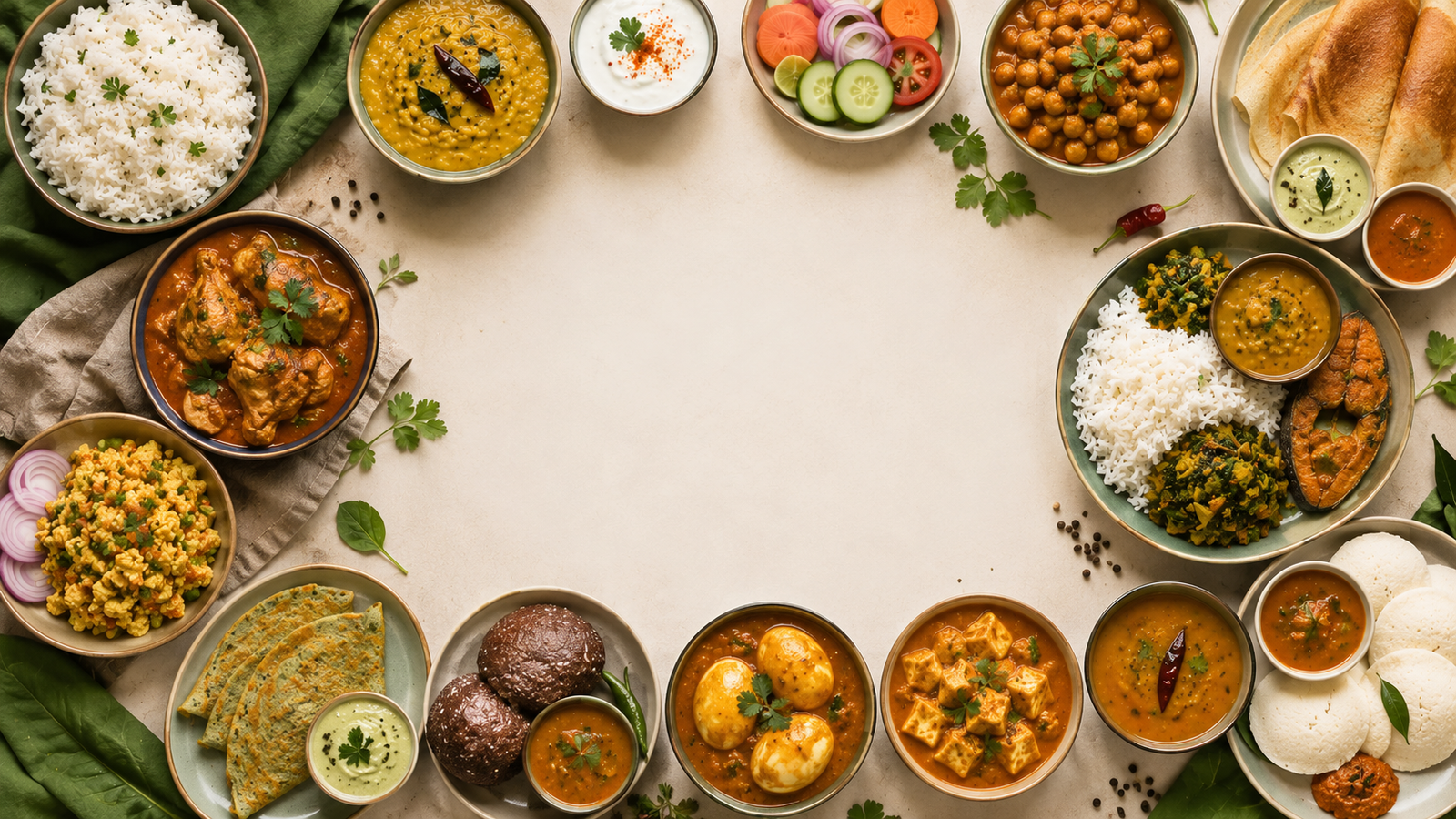
Rice, roti, potatoes, fruits, idli, dosa, and poha can all fit into a body recomposition diet. Total calorie intake, protein intake, and consistency are far more important than eliminating specific carbohydrate foods.
Cardio
Walk 8,000 to 10,000 steps daily and perform 2 to 4 cardio sessions per week if desired. Cardio complements strength training but should not replace it.
Supplements
Creatine monohydrate, whey protein, and caffeine have the strongest scientific evidence for supporting training performance and muscle growth. Other supplements should be used only when clinically indicated.
Common Mistakes
Eating too little protein, relying only on cardio, skipping strength training, changing workout programs too frequently, crash dieting, sleeping too little, and expecting rapid results.
Tracking Progress
Monitor waist circumference, progress photos, strength improvements, body measurements, and body fat percentage where available instead of relying only on body weight.
Frequently Asked Questions
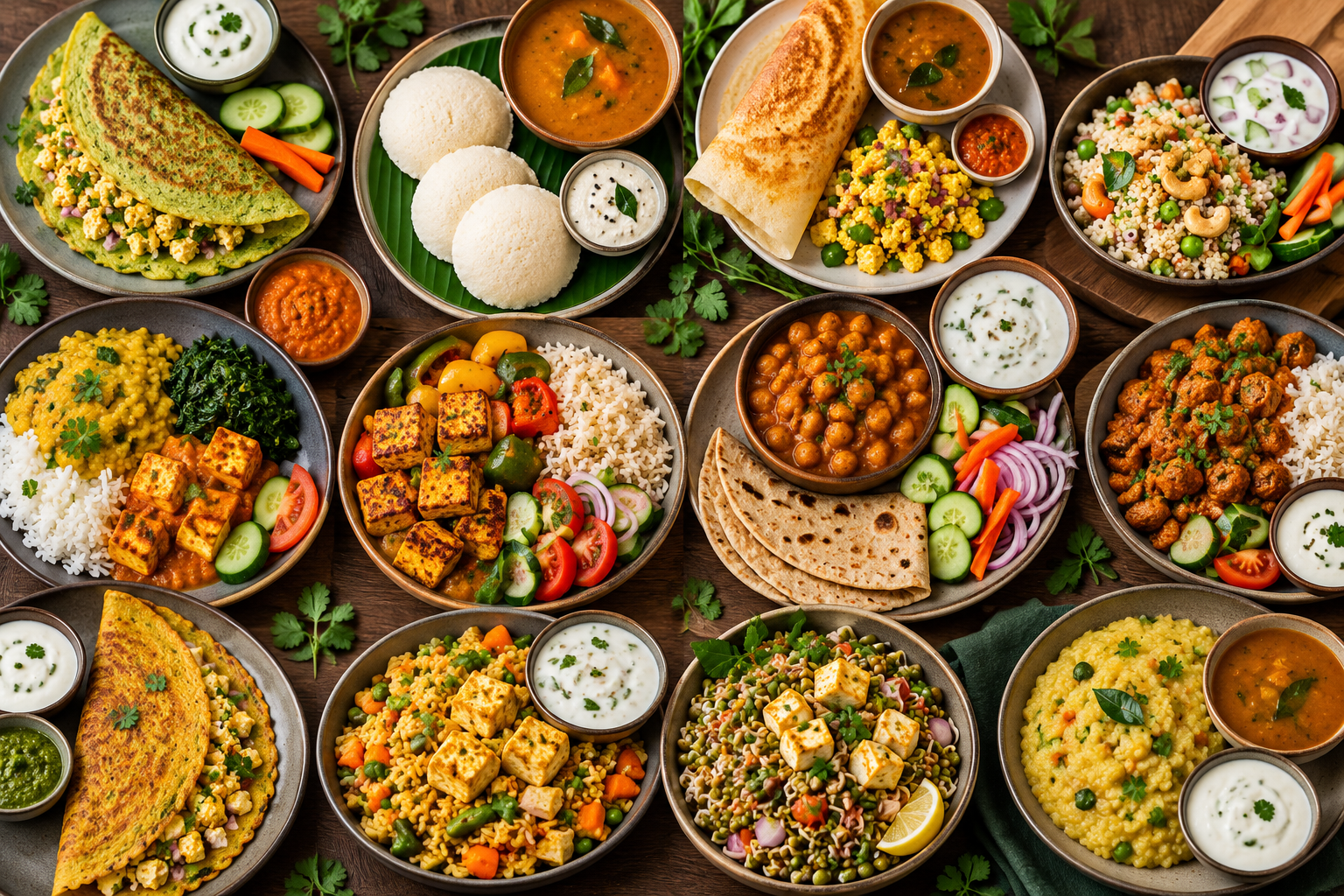
Can vegetarians build muscle? Yes, by consuming sufficient complete proteins from dairy and soy foods.
Do I need to stop eating rice? No. Fat loss depends on overall calorie intake.
How long does body recomposition take? Visible changes usually appear within 8 to 12 weeks with consistent effort.
Conclusion
Body recomposition is one of the most sustainable ways to improve your physique. Focus on lifting weights consistently, consuming adequate protein, managing calories, staying active, and prioritizing recovery. Over time, these habits will help you build muscle, lose fat, and improve your long-term health.