20 High-Protein Vegetarian Meals Under 600 Calories | Telugu Diet
Oct 05, 2026
Introduction Dietary fiber is a crucial nutrient for gut health, weight management, and blood sugar control. However, many Indians fail to meet the daily recommended intake of 25-38 grams per day. To help you improve your fiber intake, this guide provides a detailed list of fiber-rich South Indian green vegetables, root vegetables (over 50 calories), and low-calorie vegetables.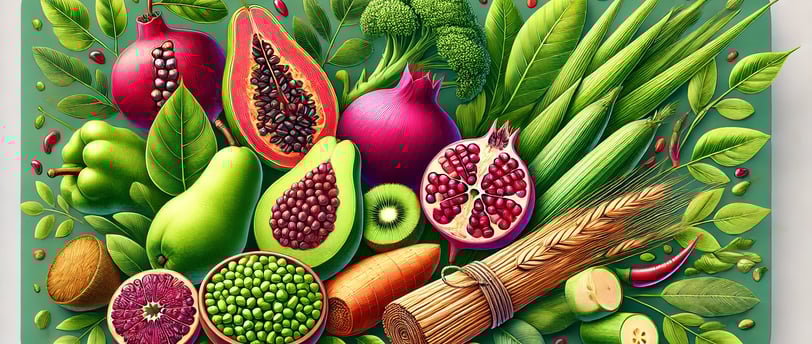
Here are simple ways to increase fiber intake with Indian foods:
Use fiber-rich greens in meals: Add drumstick leaves, amaranth, or coriander to curries and dals.
Add fiber-rich vegetables to sambar or kootu: Include ridge gourd, snake gourd, or cabbage.
Use root vegetables wisely: Replace refined carbs with yams, sweet potatoes, and taro root.
Switch to whole grains: Opt for ragi, jowar, bajra, or brown rice instead of white rice.
Snack on fiber-dense foods: Eat roasted chana, nuts, or makhana instead of fried snacks.
Drink plenty of water: Fiber works best when combined with sufficient water for digestion.
Adding fiber-rich Indian fruits, vegetables, and root vegetables to your diet is an easy way to improve digestion, regulate blood sugar, and support weight loss.
✅ Guava, pomegranate, and bael are the highest-fiber fruits.
✅ Drumstick leaves, fenugreek, and amaranth are the best fiber-rich green vegetables.
✅ Yams, sweet potatoes, and taro root are great high-fiber root vegetables.
✅ For weight loss, focus on low-calorie high-fiber options like cabbage, pumpkin leaves, and ridge gourd.
By making fiber a priority in your meals, you can enjoy better digestion, sustained energy, and improved overall health.
???? Start adding these fiber-rich foods today and feel the difference! ????