20 High-Protein Vegetarian Meals Under 600 Calories | Telugu Diet
Oct 05, 2026
An anti-inflammatory diet not only helps reduce inflammation in the body but also promotes overall health, aids in weight management, and supports longevity. This step-by-step guide will help you calculate your calorie and macronutrient requirements, choose anti-inflammatory foods, and create a balanced meal plan tailored to your specific health goals.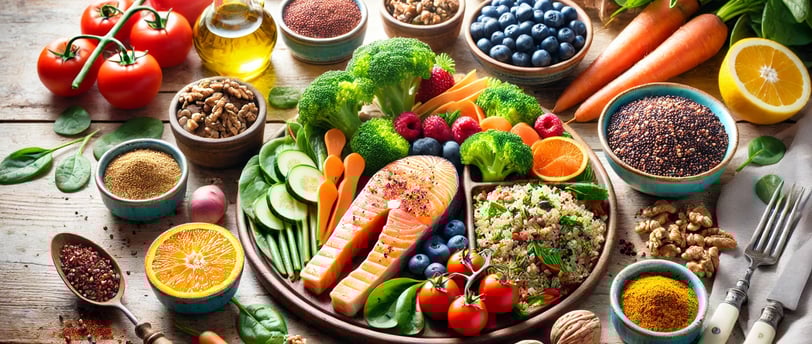
Visit a TDEE (Total Daily Energy Expenditure) Calculator website (e.g., tdeecalculator.net) or apps like MyFitnessPal.
Input your details:
Age, gender, weight, height, and activity level.
Select your goal:
Weight Loss: Subtract 10-20% of calories.
Maintenance: Use the calculated calories.
Weight Gain: Add 10-20% of calories.
For an anti-inflammatory diet, adjust your macros as follows:
Protein: 20-25% of total calories.
Carbohydrates: 40-50% of total calories.
Fats: 25-35% of total calories (prioritize omega-3-rich fats).
Example for a 2000-Calorie Diet:
Protein: 100-125g (400-500 kcal).
Carbohydrates: 200-250g (800-1000 kcal).
Fats: 55-75g (500-675 kcal).
Breakfast: 1 protein source, 1 carb, 1 fat, and 1 fruit.
Lunch: 1 protein, 1 carb, 2 vegetables, 1 fat.
Snack: A small fruit and healthy fat.
Dinner: 1 protein, 2 vegetables, 1 fat.
Proteins: Chicken, tofu, salmon, lentils, etc.
Carbs: Quinoa, sweet potatoes, oats, etc.
Vegetables: Spinach, broccoli, carrots, etc.
Healthy Fats: Avocado, olive oil, nuts, etc.
Fruits: Berries, oranges, apples, etc.
Spices: Turmeric, ginger, garlic, etc.
Protein: Palm-sized.
Carbs: Fist-sized.
Vegetables: Half the plate.
Fats: Thumb-sized.
Choose proteins, carbs, and vegetables for the week.
Cook in bulk and portion meals into containers.
Track Your Intake
Use apps like MyFitnessPal to log your calories and ensure you meet your macros.
Review Results
Assess your progress every 2-4 weeks. Adjust calorie and macro intake as needed.
Breakfast:
Scrambled eggs (2) with spinach (1 cup), avocado (1/4), and whole-grain bread.
Blueberries (1/2 cup).
Lunch:
Grilled salmon (100g), quinoa (1/2 cup), steamed broccoli and carrots (1 cup each).
Olive oil drizzle (1 tsp).
Snack:
Apple with walnuts (10g).
Dinner:
Lentil soup with sweet potatoes (1/2 cup) and kale (1 cup).
Roasted zucchini (1 cup) with olive oil (1 tsp).
This anti-inflammatory diet plan combines scientifically-backed foods with balanced macronutrients to help you achieve your health goals. By following this guide, you'll reduce inflammation, improve energy levels, and support long-term well-being.