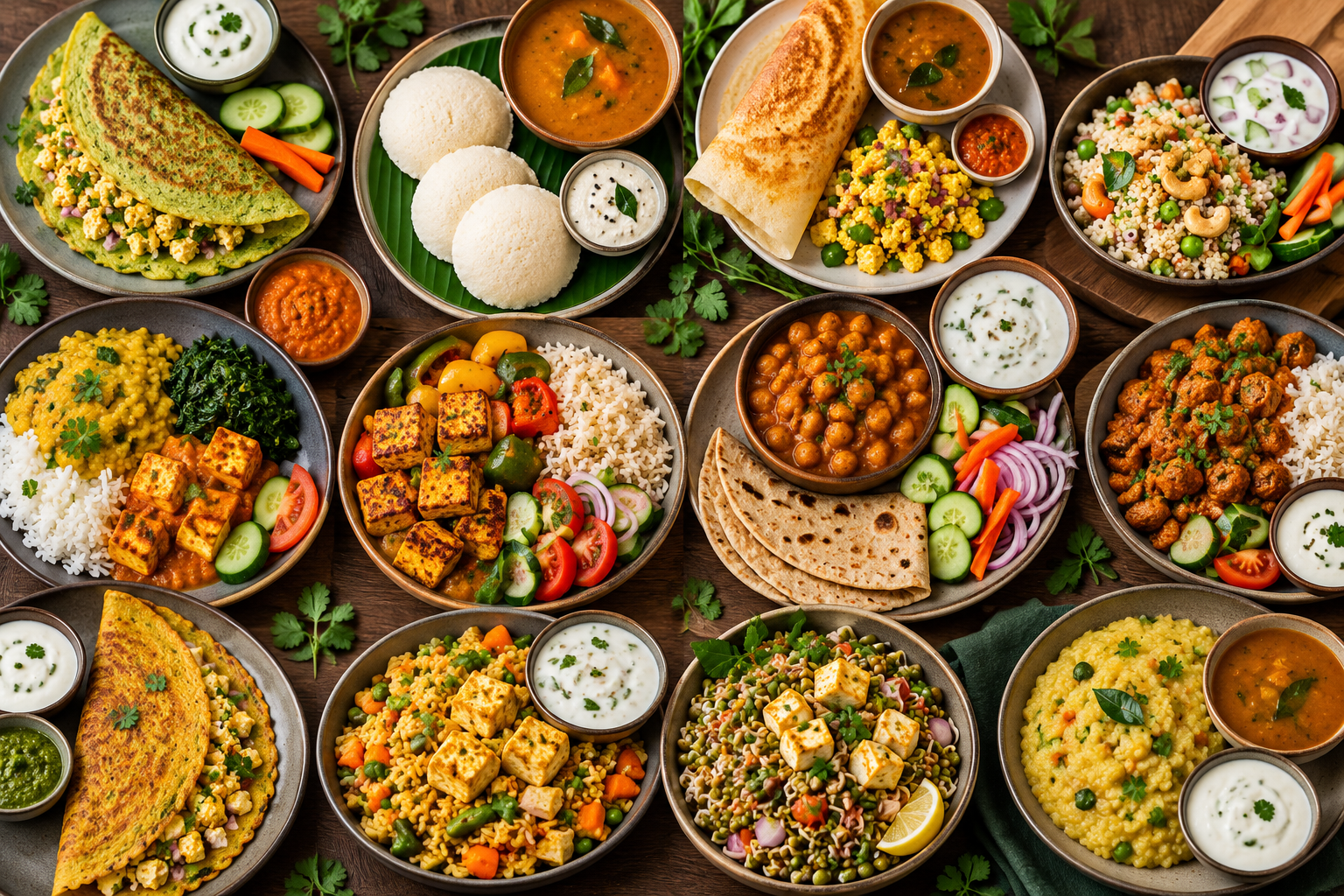
20 High-Protein Vegetarian Meals Under 600 Calories | Telugu Diet
Oct 05, 2026
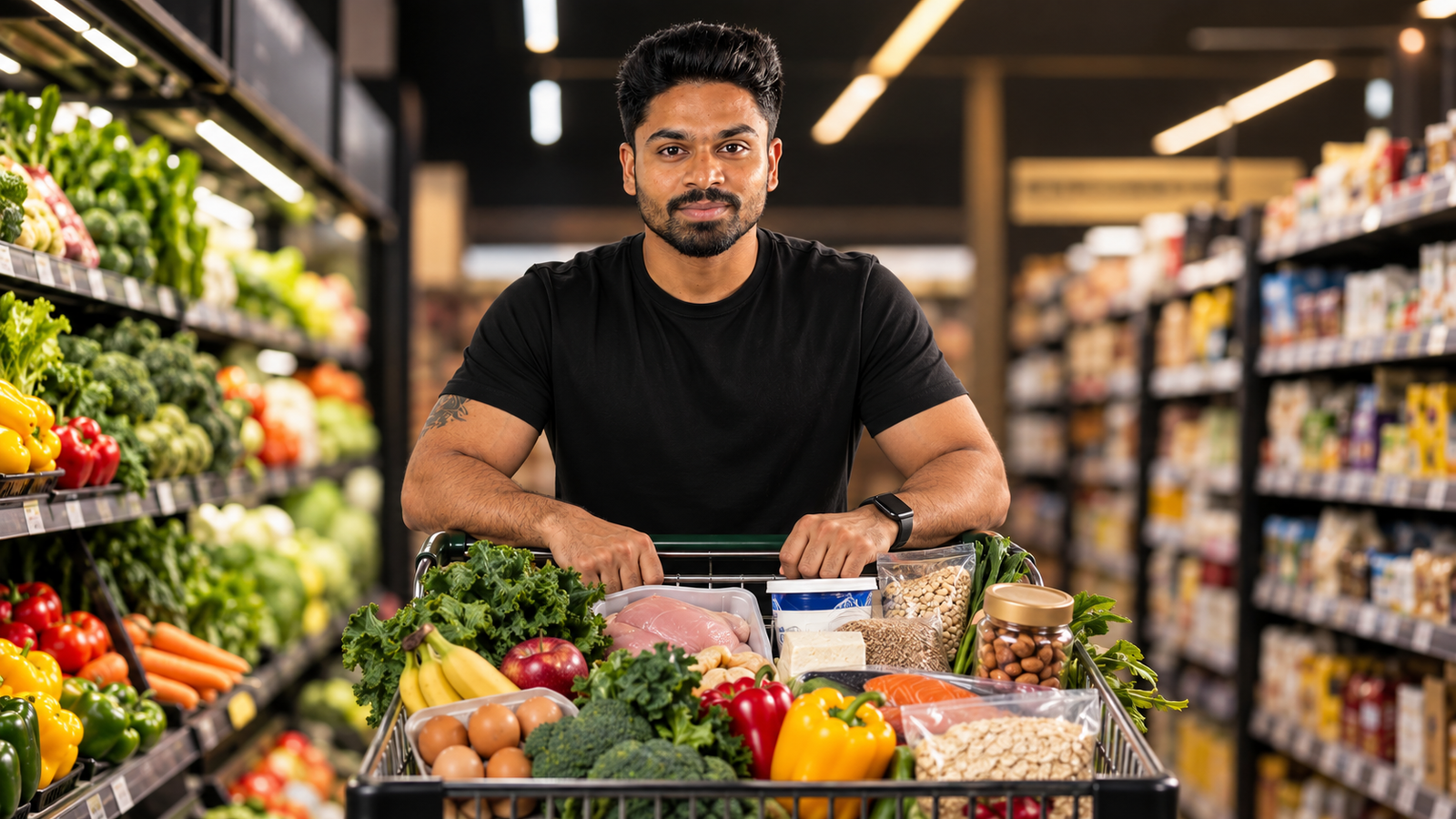
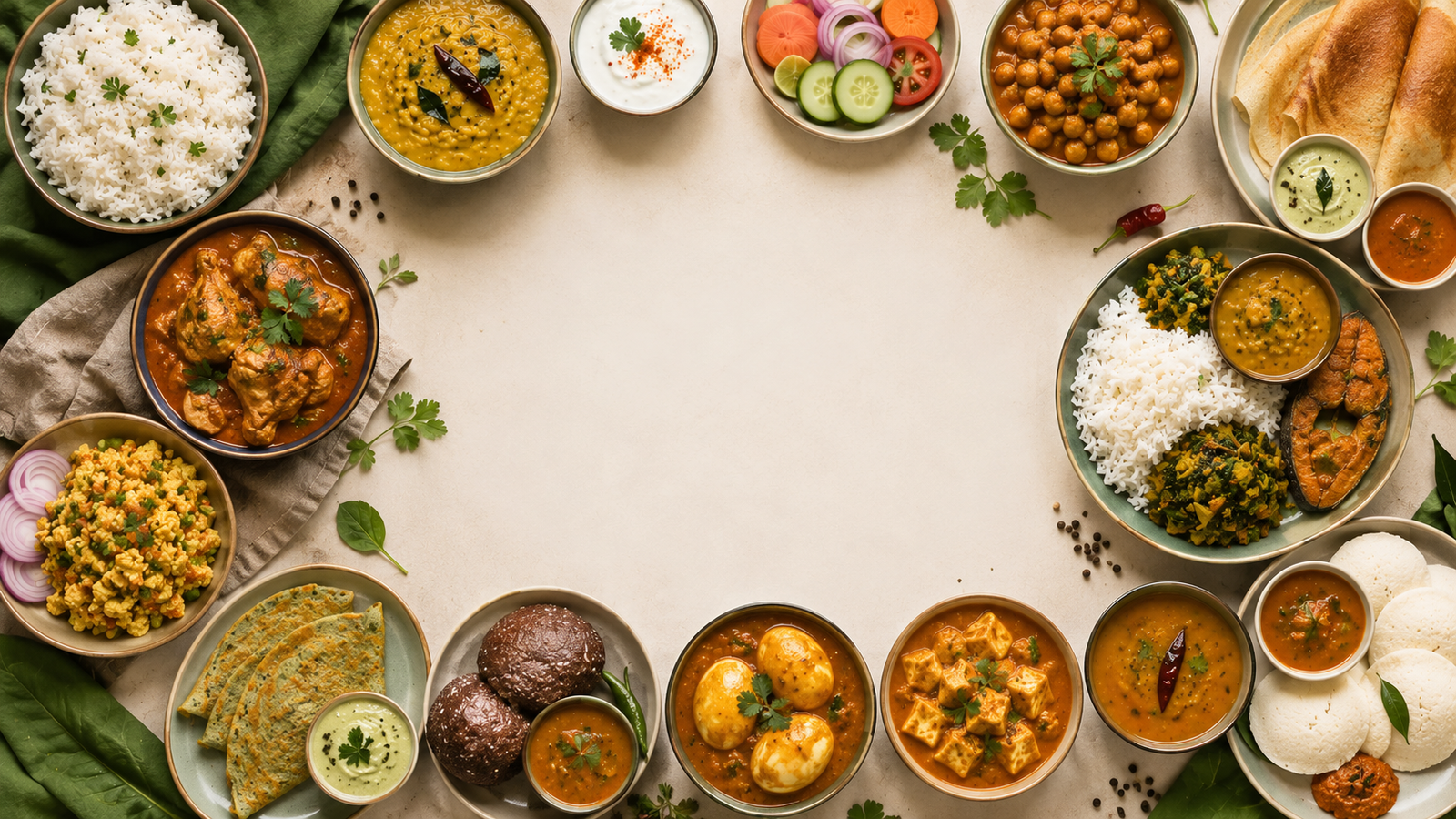
When it comes to muscle gain, fat loss, and overall fitness, getting the right amount of protein is crucial. But what if you don’t eat chicken or eggs? Don’t worry! There are plenty of high-protein vegetarian and non-vegetarian foods that can help you hit your daily protein goals. In this guide, I’ll break down the best vegetarian and non-vegetarian protein sources, including their raw protein content per 100g, so you can make informed choices for your fitness journey.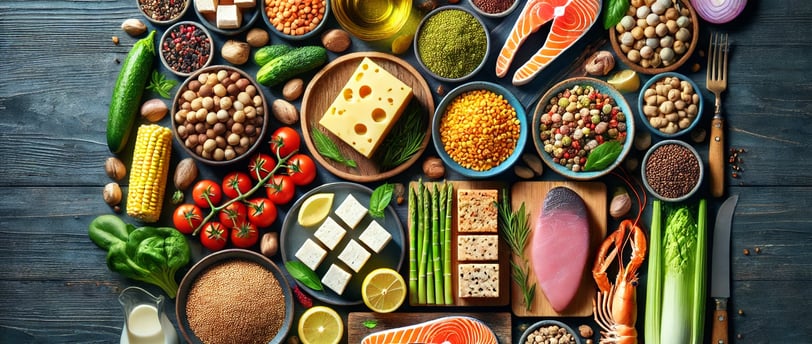
If you’re on a vegetarian diet, here are some of the best high-protein foods you should include:
Paneer – 18g protein per 100g
Cottage Cheese – 14g protein per 100g
Greek Yogurt – 10g protein per 100g
Milk (Full-fat) – 3.5g protein per 100ml
Buttermilk – 3g protein per 100ml
Whey Protein – 20-25g protein per scoop
Lentils (Masoor, Moong, Urad, etc.) – 24g protein per 100g
Chickpeas (Chana) – 19g protein per 100g
Kidney Beans (Rajma) – 24g protein per 100g
Black Gram (Urad Dal) – 25g protein per 100g
Horse Gram (Kulthi Dal) – 22g protein per 100g
Soy Chunks – 52g protein per 100g
Soybeans – 36g protein per 100g
Tofu (Raw) – 8g protein per 100g
Tempeh – 19g protein per 100g
Edamame (Raw) – 11g protein per 100g
For those who consume seafood or red meat, here are some of the highest protein sources to include in your diet:
Salmon – 20g protein per 100g
Tuna – 25g protein per 100g
Mackerel – 19g protein per 100g
Sardines – 24g protein per 100g
Rohu (Indian Carp) – 18g protein per 100g
Pomfret – 19g protein per 100g
Prawns – 20g protein per 100g
Crab – 19g protein per 100g
Lobster – 21g protein per 100g
Mutton (Goat Meat) – 26g protein per 100g
Lamb – 25g protein per 100g
Pork – 25g protein per 100g
Beef – 26g protein per 100g
Liver (Beef/Mutton) – 22g protein per 100g
Kidney (Mutton/Beef) – 20g protein per 100g
Combine plant-based protein sources (dal + rice, quinoa + tofu) to get a complete amino acid profile.
Include high-protein dairy products like paneer and whey protein to boost intake.
Add fatty fish like salmon or mackerel for omega-3s and lean protein.
Focus on lean protein sources like tofu, fish, prawns, and Greek yogurt.
Limit excess fats from red meats but consume in moderation for variety.
Use high-fiber plant proteins (chickpeas, lentils) to stay full for longer.
If you’re looking to build muscle, lose fat, or stay fit, you don’t need chicken or eggs to hit your protein goals. By choosing the right vegetarian or non-vegetarian protein sources, you can create a balanced and nutritious diet that supports your fitness journey.
Want customized meal plans based on your body type and fitness goals? Join my transformation program today!