20 High-Protein Vegetarian Meals Under 600 Calories | Telugu Diet
Oct 05, 2026
Can you lose weight in 30 days without giving up rice, roti, dosa, or your favourite Indian foods? Yes.
You do not need a crash diet, detox drink, extreme fasting routine, or completely carbohydrate-free diet to lose body fat.
A sustainable 30-day weight loss plan should focus on the fundamentals that actually matter: creating an appropriate calorie deficit, eating enough protein and fiber, staying physically active, strength training, sleeping well, and following habits that you can continue after the first 30 days.
For people following an Indian diet, this is especially important.
You should not have to completely eliminate rice, roti, dosa, idli, or other traditional foods just to lose weight.
The goal is to learn how to portion, balance, and structure your meals so you can lose fat while still enjoying the foods you love.
This 30-day Indian weight loss blueprint will show you exactly how to approach it.
If you follow the plan consistently, you can realistically work toward:
Losing approximately 1 to 3 kg
Reducing waist circumference
Improving energy levels
Building or preserving lean muscle
Increasing strength
Improving daily activity levels
Developing sustainable eating habits
Creating a routine you can continue beyond 30 days
Your actual rate of weight loss will depend on factors such as your starting body weight, calorie intake, activity levels, training, sleep, and consistency.
Remember, fat loss is not about being perfect for 30 days. It is about creating habits you can maintain for months and years.
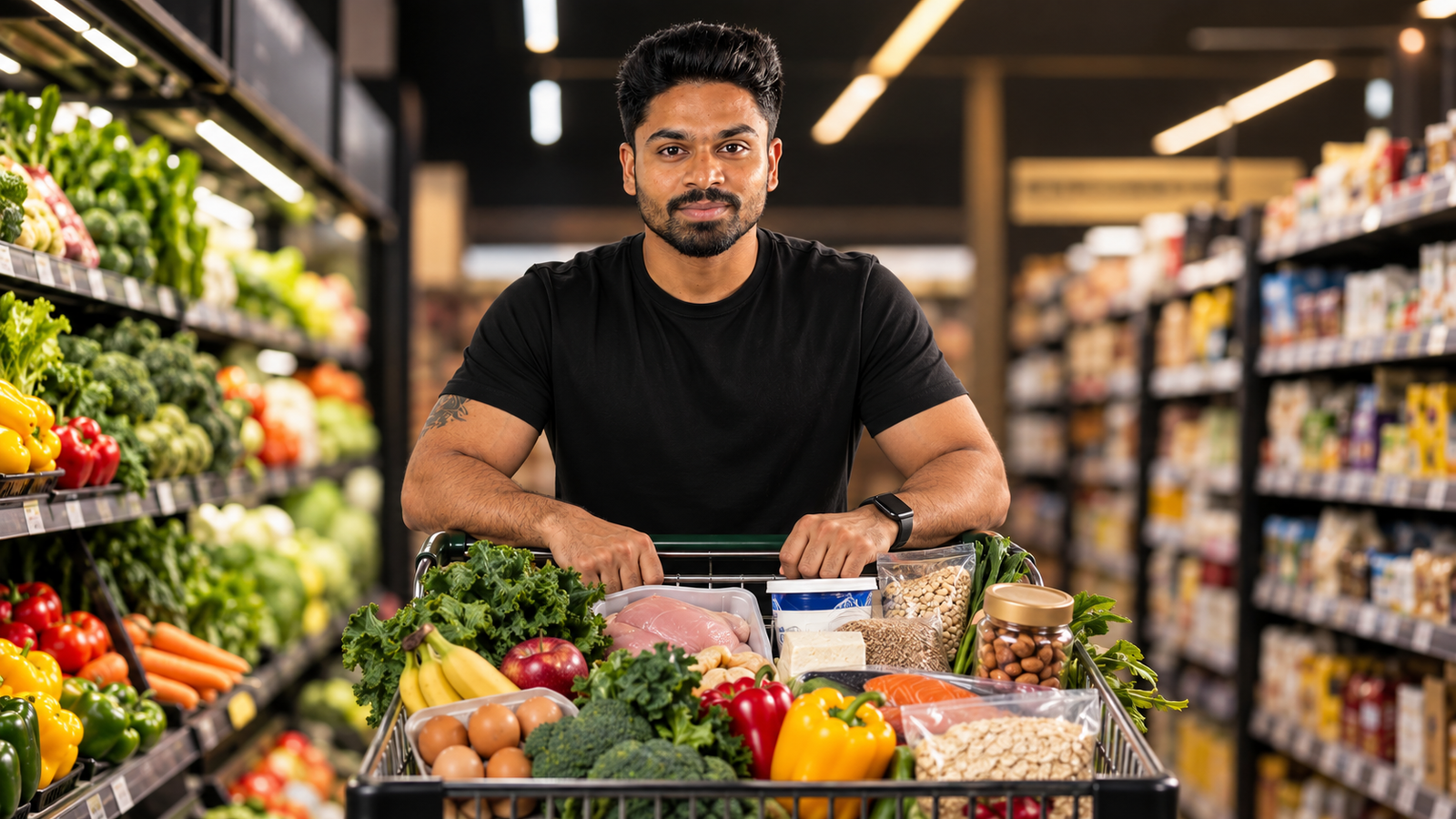
If your goal is fat loss without losing muscle, protein should be one of your biggest nutritional priorities.
Protein helps support muscle maintenance, recovery, and satiety while you are losing weight.
A practical target for many people trying to lose body fat is:
For example, if you weigh 70 kg, this would be approximately 84 to 112 grams of protein per day.
Your individual protein requirements can vary depending on factors such as training status, body composition, age, and calorie intake.
Depending on your dietary preferences, useful protein sources include:
Eggs
Chicken
Fish
Prawns
Lean meat
Paneer
Greek yogurt
Hung curd
Milk
Whey protein
Tofu
Soy protein isolate
Rather than eating most of your protein in one meal, try to include a meaningful protein source in each meal.
This makes it easier to reach your daily protein target while also making meals more filling.
One of the biggest misconceptions about weight loss is that you need to stop eating Indian carbohydrates.
You don't.
You can include rice, roti, dosa, idli, or millets in a fat-loss diet.
The key is portion control and overall meal balance.
A simple approach is:
Examples:
Chicken
Fish
Eggs
Paneer
Tofu
Greek yogurt
Dal and other protein-rich foods
Examples:
Rice
Roti
Dosa
Idli
Millets
Potatoes
Examples:
Beans
Carrots
Cabbage
Spinach
Bhindi
Cauliflower
Gourds
Other vegetables you enjoy
You can also include 1 to 2 servings of fruit per day.
This approach makes your meals more balanced without forcing you to remove the foods that are part of your normal diet.
You don't need to spend hours doing cardio to support fat loss.
Walking is a simple way to increase your daily energy expenditure while being relatively easy to recover from.
If you currently average only 3,000 to 4,000 steps, don't suddenly force yourself to hit 12,000 every day.
Increase your activity gradually.
For example:
Week 1: 6,000 to 8,000 steps
Week 2: 8,000 to 9,000 steps
Week 3: 9,000 to 10,000 steps
Week 4: 10,000 to 12,000 steps
The best step target is one you can consistently maintain.
If your goal is to improve your body composition, simply making the number on the scale smaller isn't enough.
You also want to preserve or build lean muscle while losing body fat.
Strength training can help you maintain muscle while dieting and improve strength and physical function.
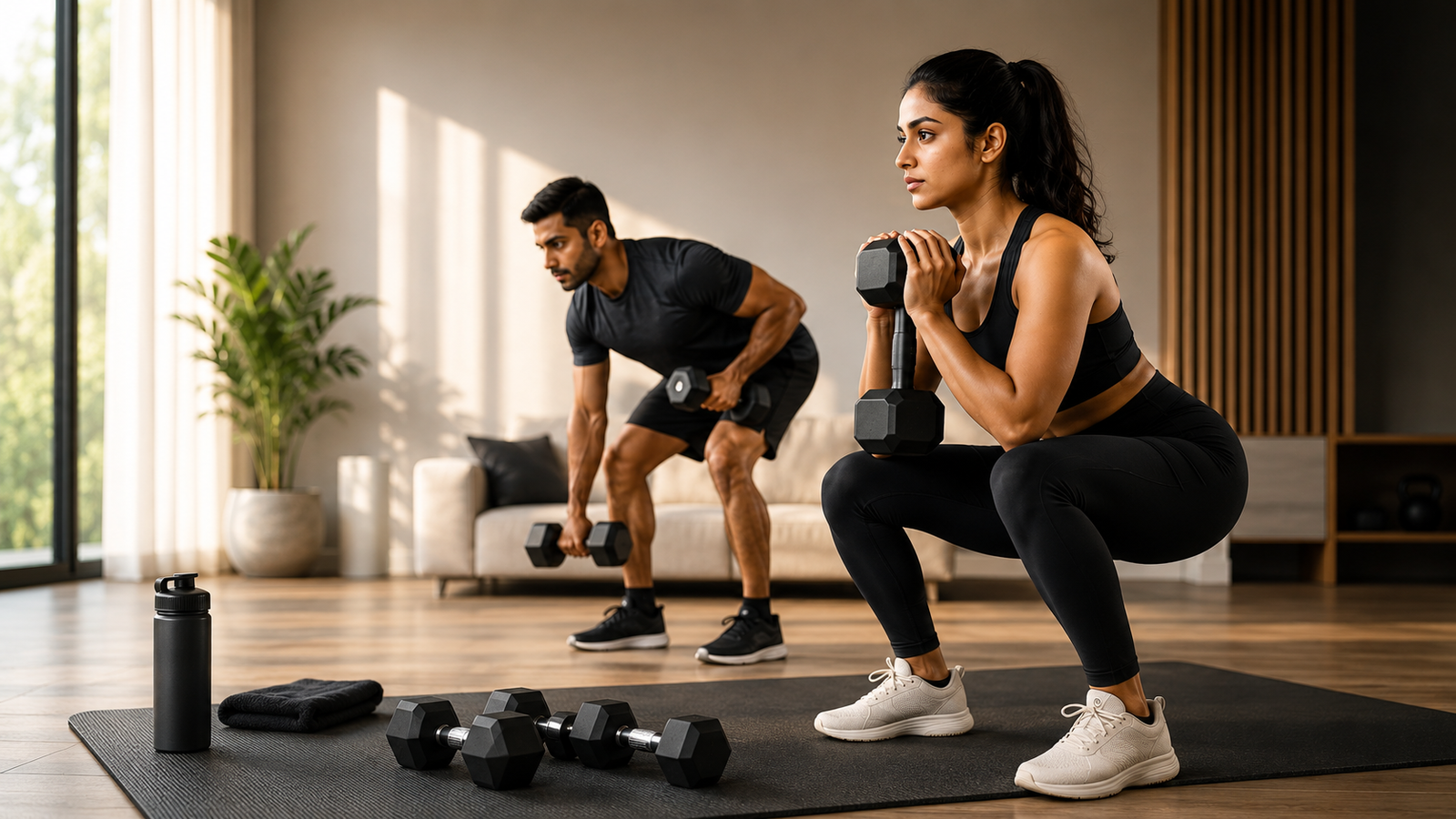
Here's a simple 4-day home dumbbell workout for weight loss.
Dumbbell Floor Press: 3 × 10 to 15
One-Arm Dumbbell Row: 3 × 10 to 15
Dumbbell Shoulder Press: 3 × 10 to 15
Dumbbell Curl: 2 × 12 to 15
Overhead Triceps Extension: 2 × 12 to 15
Goblet Squat: 3 × 10 to 15
Romanian Deadlift: 3 × 10 to 15
Reverse Lunges: 3 × 10 each leg
Glute Bridge: 3 × 15
Standing Calf Raises: 3 × 15 to 20
Push-ups or Incline Push-ups: 3 sets
One-Arm Dumbbell Row: 3 × 10 to 15
Dumbbell Lateral Raise: 3 × 12 to 15
Hammer Curl: 2 × 12 to 15
Dumbbell Skull Crushers: 2 × 12 to 15
Bulgarian Split Squat: 3 × 10 each leg
Romanian Deadlift: 3 × 10 to 15
Step-ups: 3 × 12 each leg
Plank: 3 × 30 to 60 seconds
Dead Bug: 3 × 12 each side
When the exercises become easier, gradually increase the resistance, repetitions, or overall training quality.
You don't need to destroy yourself in every workout.
Progressive overload and consistency matter more than constantly making workouts harder.
If you are a complete beginner, have an injury, or have a medical condition, your exercise selection and training volume may need to be modified.
Hydration is another simple habit that supports your overall health and exercise performance.
A practical starting point is:
For example, someone weighing 70 kg would get approximately 2.45 to 2.8 litres as a baseline.
Your actual requirements can be higher depending on factors such as heat, exercise, sweating, and individual needs.
If you live in a hot climate or exercise regularly, you may need additional fluids.
Instead of forcing down a large amount of water at once, spread your intake throughout the day.
Sleep is often ignored when people start a weight loss journey.
But your recovery, hunger, energy, training performance, and daily activity can all be affected by poor sleep.
Try to maintain a relatively consistent sleep and wake schedule.
A simple evening routine can include:
Reducing screen exposure before bed
Keeping your bedroom comfortable and dark
Avoiding excessive caffeine late in the day
Maintaining a consistent bedtime
Your diet and workouts matter, but recovery is part of the plan too.
You don't have to eat extremely slowly.
But if you regularly finish meals in five minutes while distracted, you may find it harder to recognize when you are comfortably full.
Try to give yourself approximately 15 to 20 minutes to eat your meals.
Put your phone away.
Sit down.
Chew your food properly.
Pay attention to your hunger and fullness.
These simple habits can make it easier to manage portions without feeling like you are constantly dieting.
One of the easiest ways to accidentally consume additional calories is through beverages.
Common sources include:
Soft drinks
Sugary coffee
Sweetened tea
Fruit juices
Milkshakes
Alcohol
You don't necessarily need to eliminate every beverage forever.
But if fat loss is your goal, reducing high-calorie drinks can make calorie control significantly easier.
Better everyday options include:
Water
Unsweetened tea
Black coffee
Buttermilk
If you add sugar, milk, syrups, or other calorie-containing ingredients to your drinks, remember to account for them in your overall intake.
This is one of the most important lessons for anyone following an Indian diet.
Carbohydrates are not inherently fattening.
Weight gain occurs when you consistently consume more energy than your body uses.
That means you do not need to eliminate carbohydrates to lose body fat.
Instead, focus on:
Appropriate portions
Adequate protein
Plenty of vegetables
High-fiber foods
Overall calorie intake
Regular physical activity
You can absolutely build a fat-loss diet that includes rice and roti.
Fiber can help improve fullness and supports digestive health.
Good sources include:
Vegetables
Fruits
Oats
Millets
Chia seeds
Flax seeds
Legumes
Beans
A simple goal is to include vegetables with both lunch and dinner and consume fruit regularly.
Instead of dramatically increasing fiber overnight, increase it gradually and make sure you are drinking enough fluids.
Use this checklist every day during your 30-day transformation.
☐ Protein with every meal
☐ 8,000 to 12,000 steps
☐ Strength workout completed, if scheduled
☐ 2 to 4 servings of vegetables
☐ 1 to 2 servings of fruit
☐ Water goal completed
☐ 7 to 9 hours of sleep
☐ Limited sugary drinks
☐ Stayed within your calorie target
You don't have to hit 100% every single day.
The goal is to build consistent habits over time.
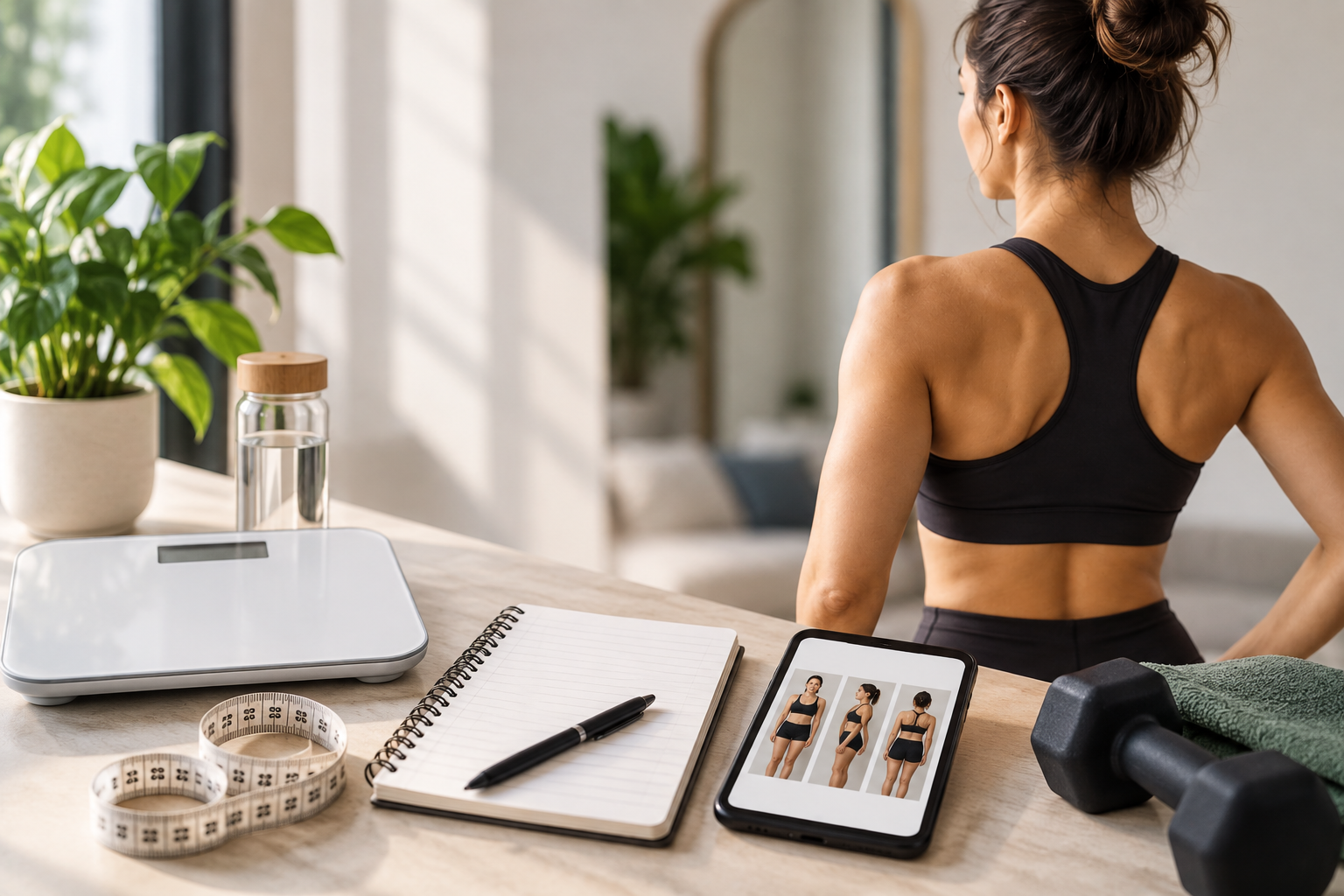
Don't measure your progress only through the weighing scale.
Once per week, track:
Take your weight under similar conditions each week.
Measure around the same location each time.
Take front, side, and back photographs under similar lighting and conditions.
Record your weights, repetitions, or workout performance.
Look at your weekly average rather than obsessing over one individual day.
Your weight can fluctuate because of hydration, food volume, sodium, bowel movements, and other factors.
That's why trends are more useful than a single weigh-in.
You don't need a weekly "cheat day" to lose weight.
Instead, learn how to include foods you enjoy within your overall calorie and nutrition targets.
You can eat:
Biryani
Dosa
Pizza
Desserts
Restaurant food
The important question is not whether a particular food is "good" or "bad."
The important question is how much you eat, how often you eat it, and how it fits into your overall diet.
A sustainable diet should leave room for real life.
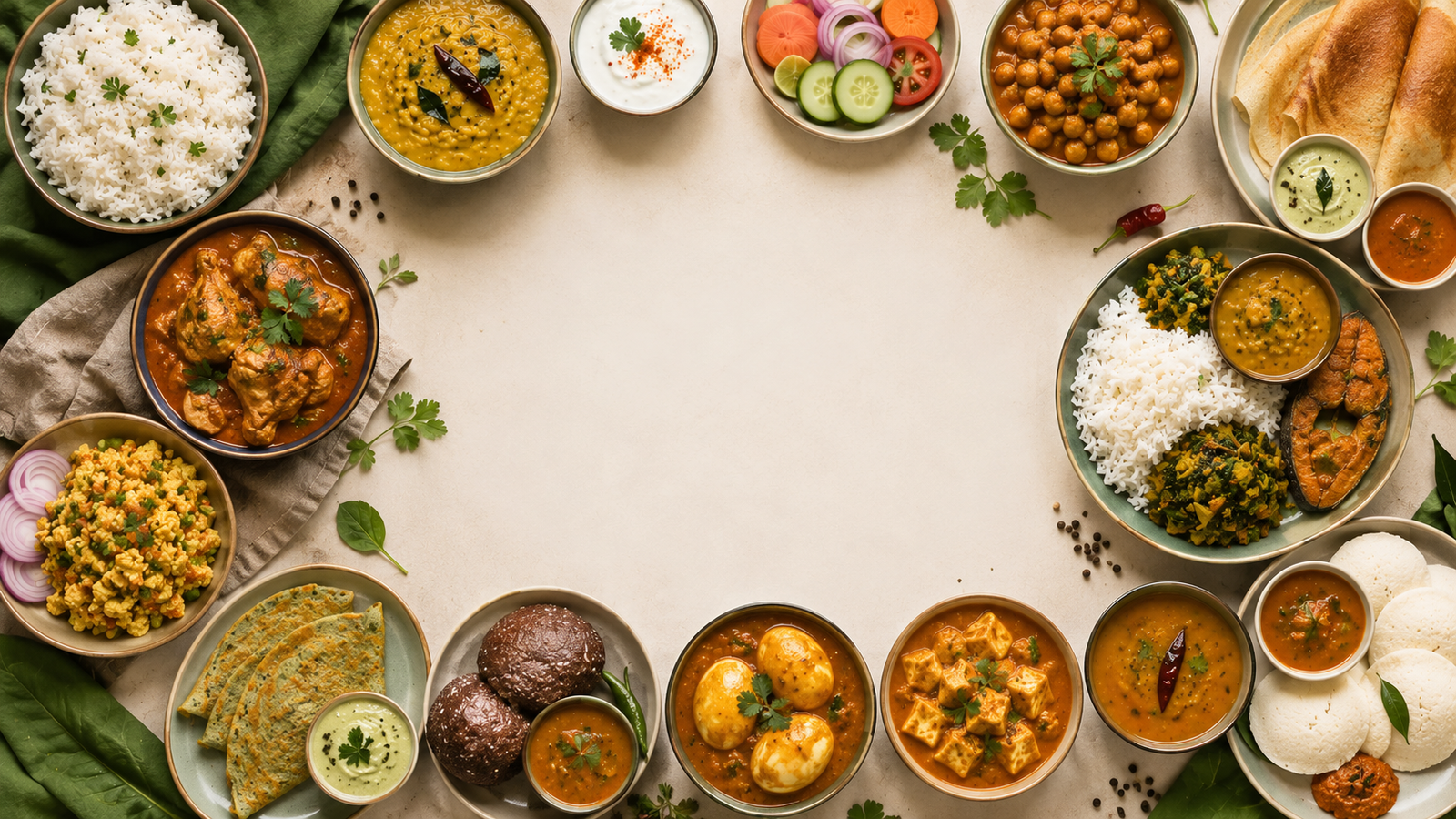
A successful Indian weight loss diet doesn't have to look like boiled chicken and salad every day.
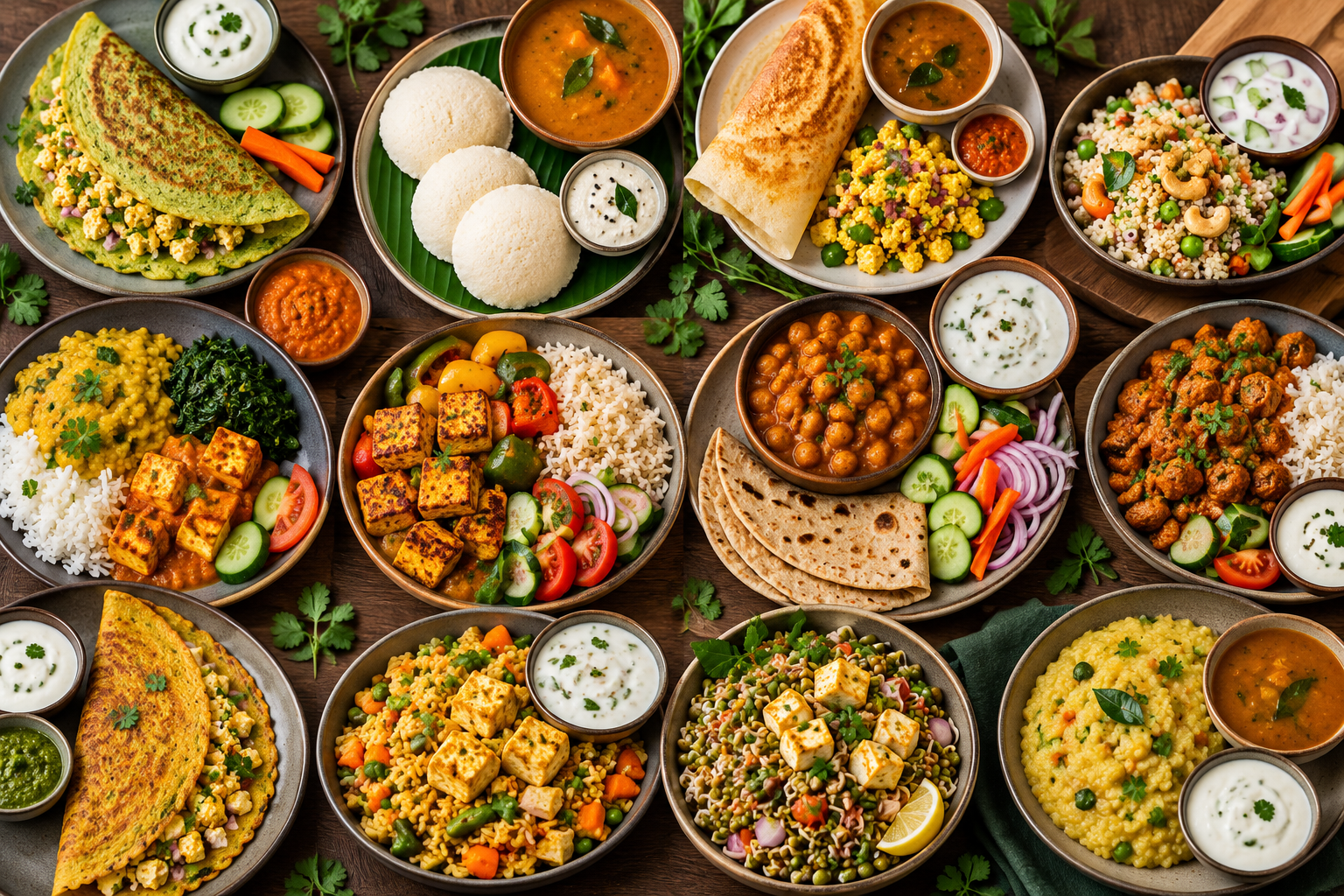
You can build meals around foods you already enjoy.
For example:
Dosa + eggs + sambar
or
Idli + sambar + Greek yogurt
Rice + dal + vegetables + chicken or fish
Fruit + Greek yogurt
Roti or rice + vegetables + paneer, tofu, chicken, or fish
The exact quantities should depend on your calorie and protein requirements.
The goal is not to create a "perfect" Indian meal.
The goal is to create a balanced diet that you can actually follow.
At Sustainable Balanced Fitness, the focus is not on extreme diets or temporary challenges.
The foundation is simple:
Eat enough protein.
Include the foods you enjoy.
Control portions.
Strength train consistently.
Walk every day.
Sleep well.
Stay hydrated.
Repeat.
Sustainable Balanced Fitness is a structured fitness coaching platform designed around structured fitness coaching.
The objective isn't simply to lose weight for 30 days.
It is to build a system that helps you lose fat and maintain your results long term.
A generic 30-day weight loss plan can give you the foundation.
But your ideal calorie intake, protein target, meal portions, workout plan, and weekly progression depend on your body, lifestyle, preferences, activity levels, and goals.
That's where personalized coaching can make a difference.
At Sustainable Balanced Fitness, we help you build a structured fat-loss plan around your lifestyle rather than forcing you into a restrictive diet.
You can learn how to:
Eat Indian food while losing fat
Build a personalized calorie and protein target
Structure your meals around your lifestyle
Follow a progressive strength-training program
Improve your daily activity
Stay accountable
Track your progress
Build habits that continue beyond the program
Stop starting another crash diet. Start building a lifestyle you can actually maintain.
Get a personalized fat-loss plan, structured workouts, nutrition guidance, and ongoing accountability based on your goals and lifestyle.
[Apply for Coaching / Book Your Consultation]
Yes. Many people can lose some body weight over 30 days when they consistently maintain an appropriate calorie deficit. The amount varies significantly between individuals.
A realistic approach is to focus on sustainable progress rather than trying to lose as much weight as possible in the shortest time.
Yes.
Rice can absolutely be part of a fat-loss diet. Your overall calorie intake, portion sizes, protein intake, activity levels, and consistency matter more than eliminating one carbohydrate source.
Neither is automatically better for fat loss.
The better choice is the one you enjoy, can portion appropriately, and can consistently include within your overall calorie and nutrition targets.
A useful general target is 8,000 to 12,000 steps per day.
However, your ideal target depends on your current activity level. If you're currently sedentary, start lower and gradually increase.
A practical target for many people is approximately 1.2 to 1.6 g of protein per kilogram of body weight per day.
Individual requirements can vary.
No.
Carbohydrates can be part of a healthy fat-loss diet. You can include rice, roti, dosa, idli, oats, potatoes, and other carbohydrate sources while losing body fat.
A practical starting point is around 35 to 40 ml per kilogram of body weight per day, with additional fluid needs depending on climate, exercise, and sweating.
No specific form of cardio is mandatory.
Walking and strength training can be valuable components of a fat-loss program. Your overall energy balance and activity level are what matter.
There is no single "best" Indian diet.
A sustainable diet should provide appropriate calories, adequate protein, sufficient fiber and micronutrients, and include foods that you enjoy and can consistently eat.
Don't treat the end of your diet as the end of your habits.
Continue your protein intake, regular strength training, daily activity, balanced meals, sleep routine, and periodic progress tracking.
The best weight loss plan is the one that teaches you how to maintain your results.
You don't need to give up rice.
You don't need to live on salads.
You don't need detox drinks.
You don't need fat burners.
You don't need to starve yourself.
You need a structured approach that combines nutrition, strength training, daily movement, recovery, and consistency.
Start with the basics.
Follow them for 30 days.
Then keep going.
Because sustainable habits create sustainable results.
Apply for Sustainable Balanced Fitness Coaching today.
**Your goal isn't just to lose weight.
Your goal is to build a body and lifestyle you can maintain.**